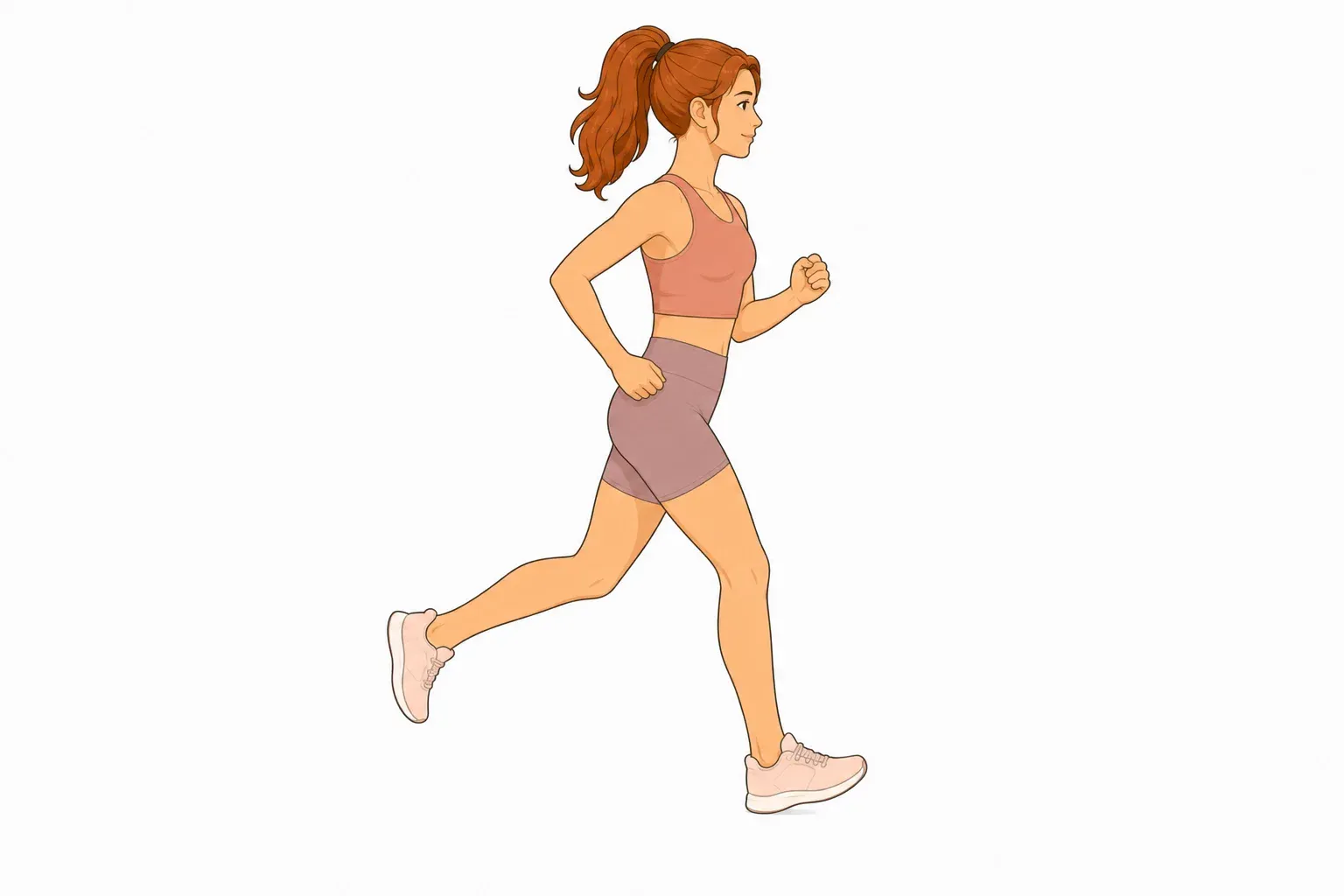

1 Mile Run is a beginner cardio exercise that works the quadriceps, hamstrings, glutes, calves and core. Below is the full movement, step by step, with the form cues and common mistakes that matter most.
At a glance
| Body area | Cardio |
|---|---|
| Difficulty | Beginner |
| Muscles worked | Quadriceps, Hamstrings, Glutes, Calves And Core |
| Equipment | None — bodyweight only |
| Movement | Running |
| Typical duration | 10 min |
| Steps | 2 |
How to do it
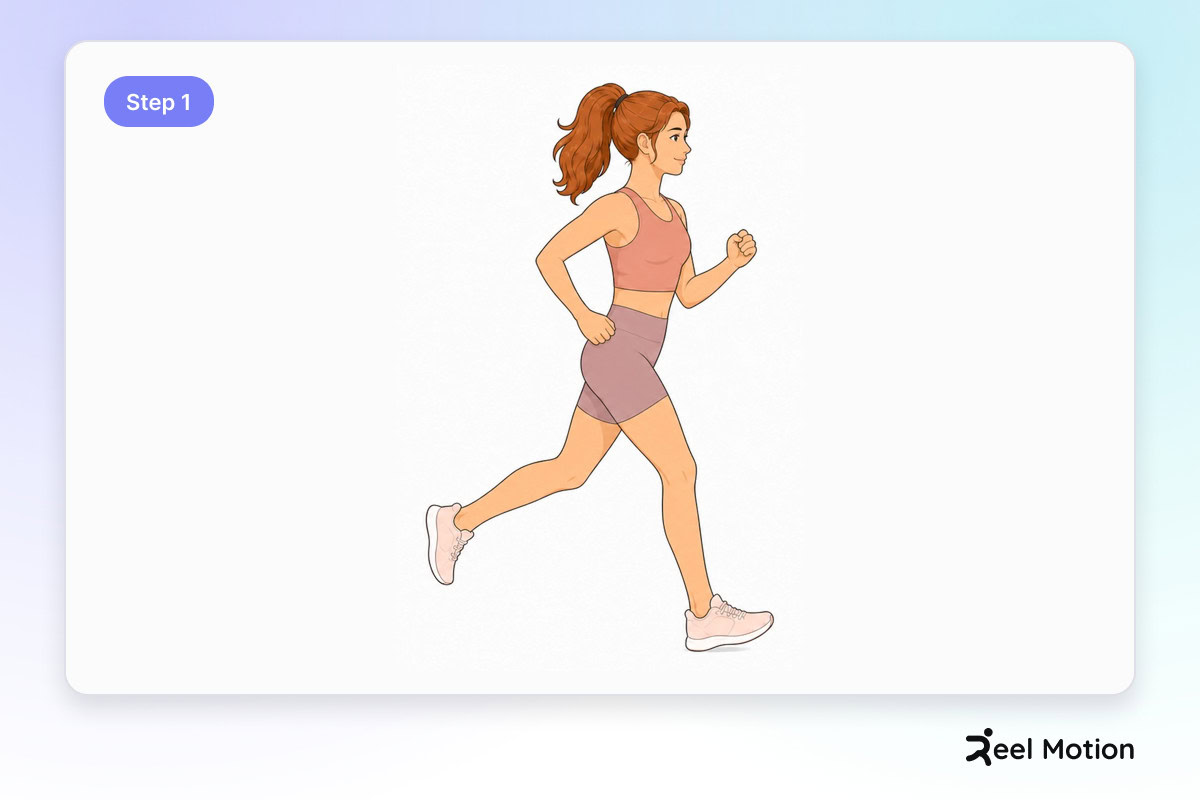
Step 1
Start at a comfortable pace you can sustain for the full mile, keeping your chest upright and shoulders relaxed.
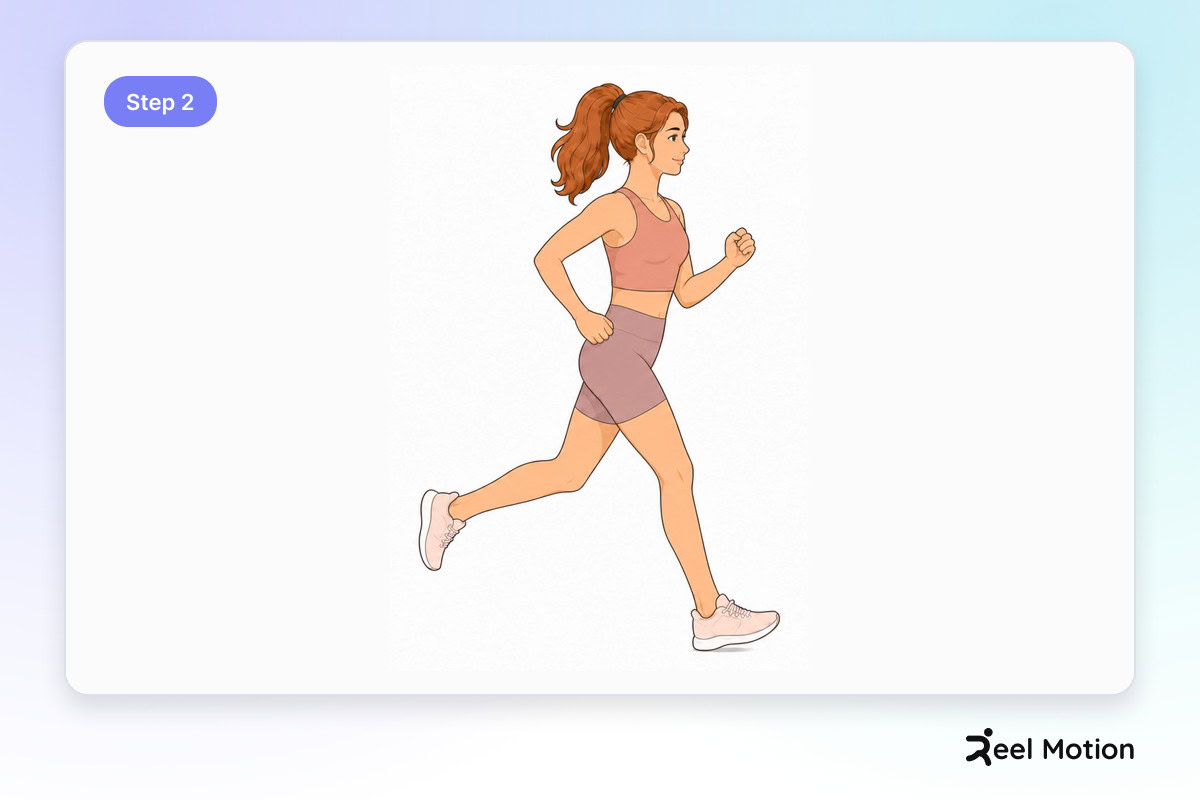
Step 2
Maintain this steady rhythm for the full mile, keeping your breathing controlled and your effort sustainable.
Form cues
- Chest upright
- Shoulders relaxed
- Arms at 90 degrees
- Land midfoot, not on heels
- Consistent cadence
- Controlled breathing
- Relaxed jaw and neck
Common mistakes
Leaning forward excessively. Keep your torso upright and lean slightly from the ankles, not the waist.
Shoulders hunched or tense. Roll your shoulders back and keep them loose throughout.
Overstriding or landing on heels. Land with your midfoot under your hips and take shorter, quicker steps.
Holding breath. Breathe steadily in through your nose and out through your mouth.
Sprinting or surging in the middle. Keep your pace even from start to finish—imagine you could hold this speed for another mile.
Holding your breath. Maintain steady, rhythmic breathing throughout the run.
Tensing your face or neck. Keep your face and neck relaxed; tension wastes energy.
Breathing
Breathe steadily in a rhythm that matches your pace—inhale for 2–3 steps, exhale for 2–3 steps.
Safety
- Run on even, well-lit surfaces to prevent tripping
- Wear supportive running shoes with proper cushioning
- Stop immediately if you experience sharp pain in your joints or chest
- If you feel dizzy, lightheaded, or short of breath, slow to a walk and recover