
10 km Run is a advanced cardio exercise that works the quadriceps, hamstrings, glutes, calves and core. Below is the full movement, step by step, with the form cues and common mistakes that matter most.
At a glance
| Body area | Cardio |
|---|---|
| Difficulty | Advanced |
| Muscles worked | Quadriceps, Hamstrings, Glutes, Calves And Core |
| Equipment | None — bodyweight only |
| Movement | Running |
| Typical duration | 50 min |
| Steps | 2 |
How to do it
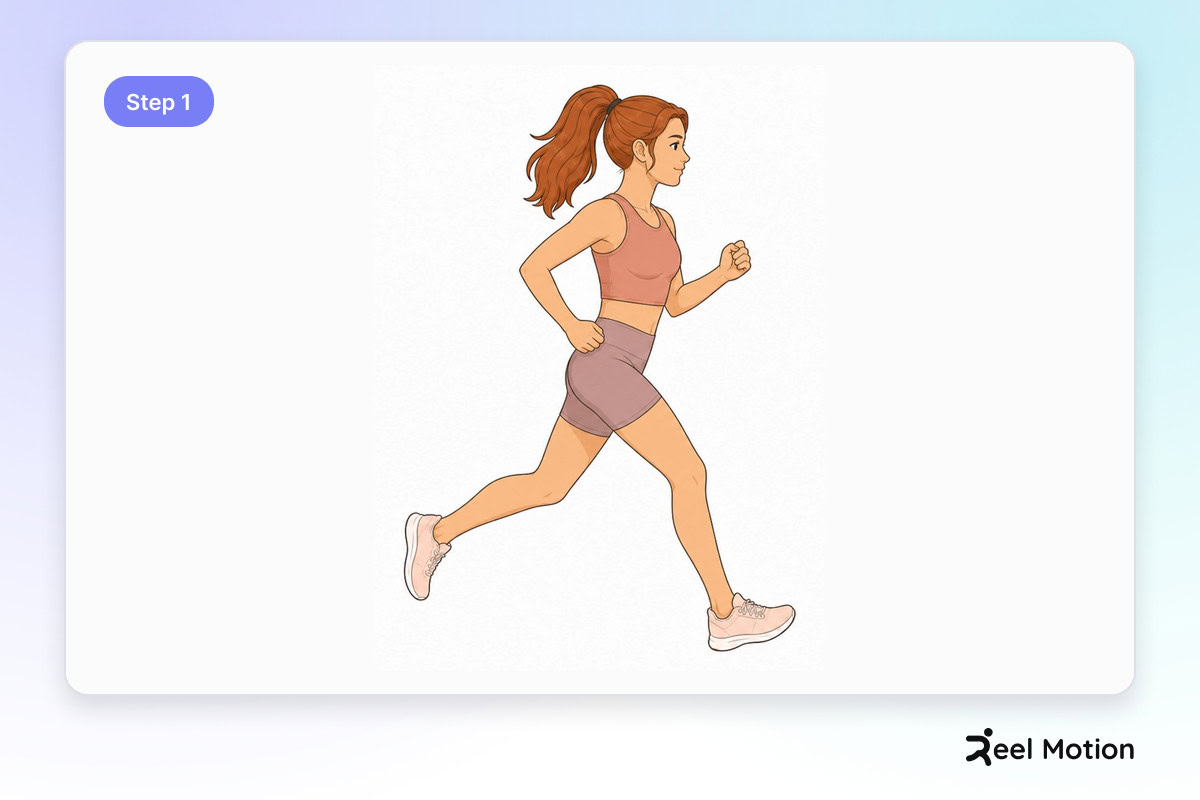
Step 1
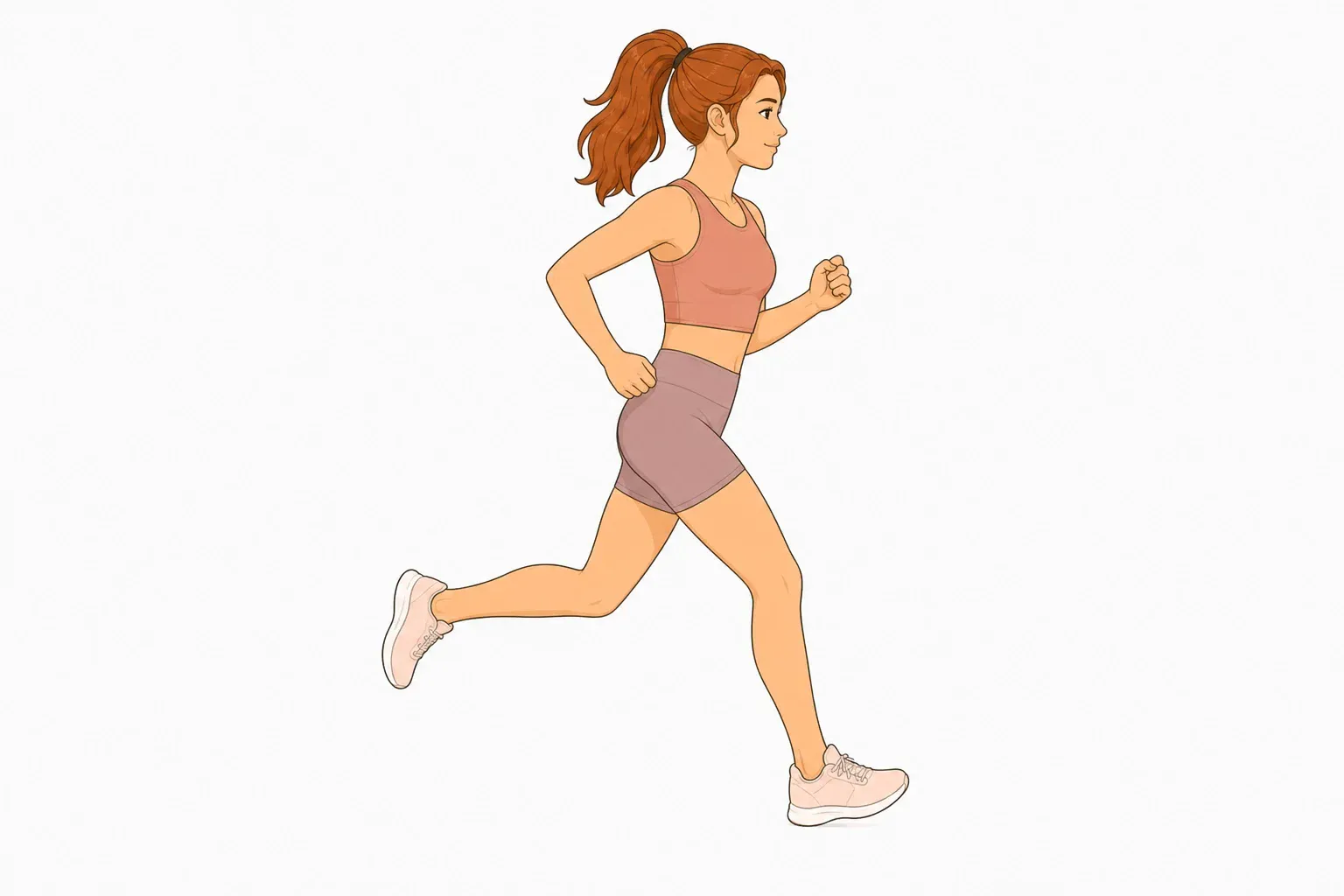
Begin at a comfortable, sustainable pace with shoulders relaxed, arms at 90 degrees, and eyes focused on the path ahead.
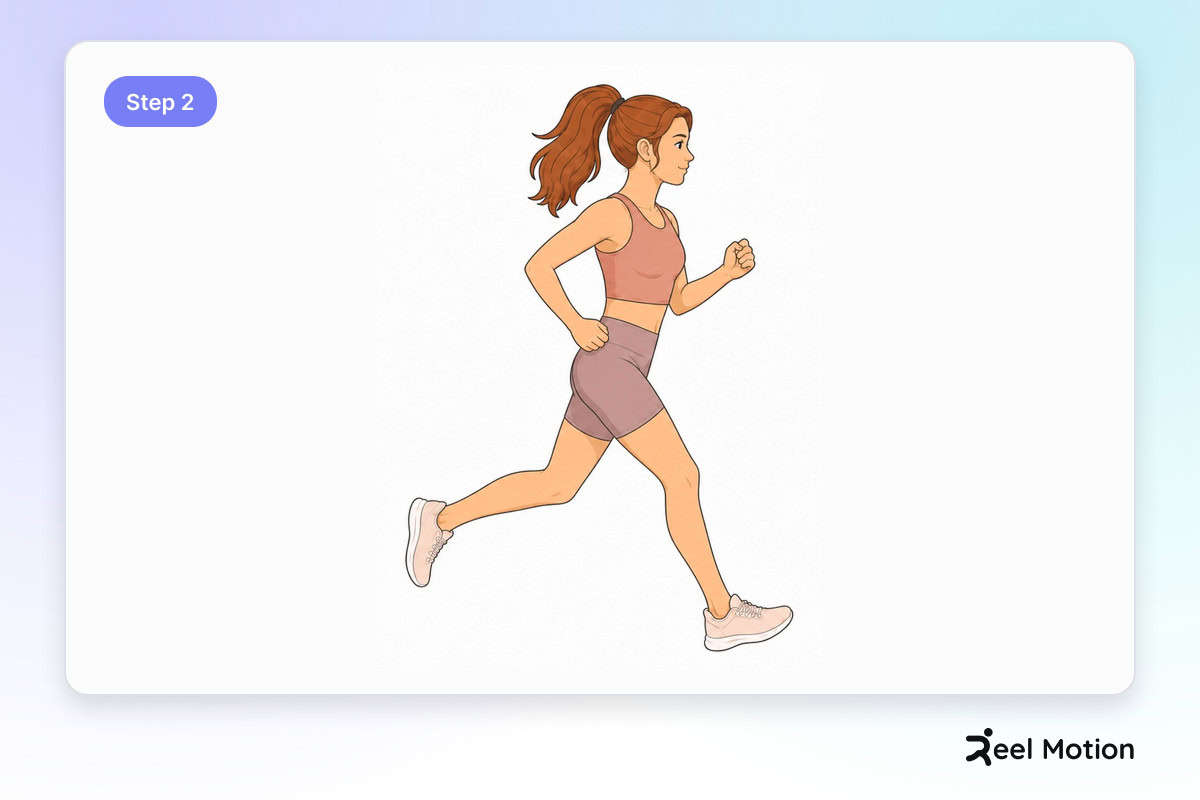
Step 2
Maintain your steady pace and proper running form throughout the 10 km distance, keeping your core engaged and landing with a midfoot strike.
Form cues
- Shoulders relaxed and down
- Arms bent at approximately 90 degrees
- Elbows driving forward and back, not across the body
- Eyes focused on the path ahead
- Head upright, not tilted down
- Land on the midfoot, not the heel
- Core engaged throughout
- Maintain consistent, steady pace
- Keep shoulders relaxed
- Maintain upright posture
Common mistakes
Starting too fast. Choose a pace you can sustain for the full distance.
Shoulders tense or hunched. Keep shoulders relaxed and loose.
Arms crossing the body. Drive elbows forward and back in line with your body.
Looking down at feet. Keep your gaze on the path ahead.
Overstriding or heel striking. Land on your midfoot with a quick, light cadence.
Pace fluctuating significantly. Maintain a consistent, sustainable pace throughout.
Posture breaking down. Keep your posture upright and shoulders relaxed.
Tension building in shoulders and neck. Check in with your form periodically and reset if needed.
Breathing
Establish a steady, rhythmic breathing pattern.
Safety
- Start at a comfortable pace to avoid injury and burnout
- Warm up before running to prepare your muscles and joints
- Maintain proper running form throughout to prevent injury
- Stay hydrated and listen to your body